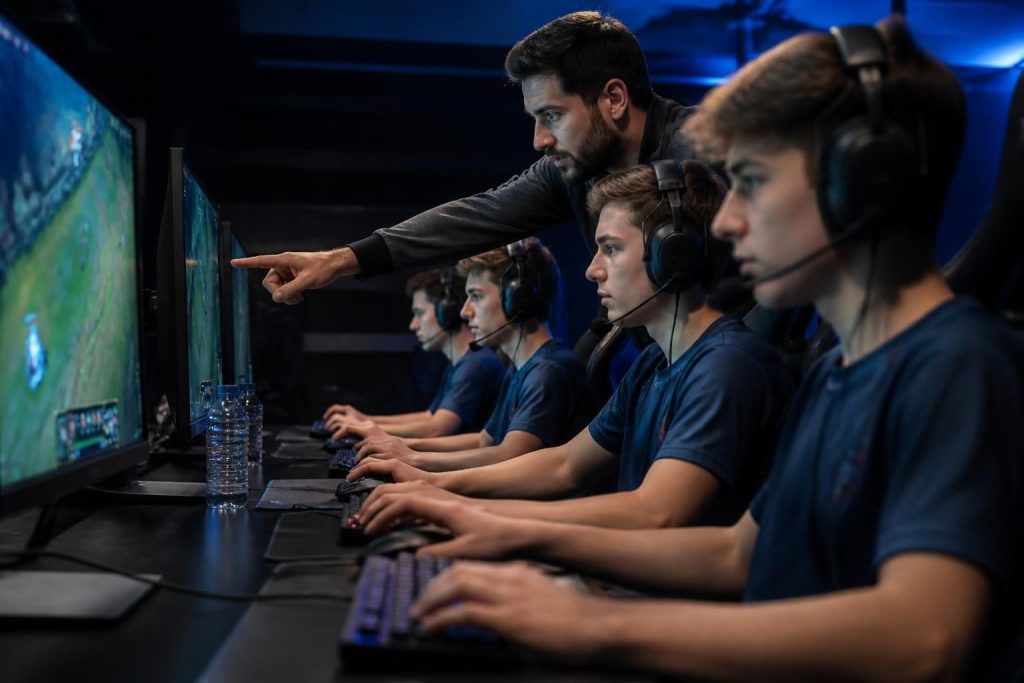
Esports teams and coaching play a critical role in the evolution and success of competitive gaming. As the esports industry expands, understanding the strategies that effective teams employ is more important than ever. Coaching in esports involves not only gameplay techniques but also managing team dynamics and psychological resilience. This article delves into various coaching methodologies, team structures, and the importance of mental conditioning in achieving success in esports competitions.
Coaching Methodologies in Esports
Effective coaching strategies in esports vary significantly across different teams, often reflecting the unique strengths and weaknesses of their players. One prevalent methodology is the analytical approach, which emphasizes data-driven decision-making. Coaches use advanced analytics to assess player performance, identify areas for improvement, and develop specific training regimens. This analytical lens enables teams to refine their strategies based on measurable metrics, such as win rates and damage outputs, allowing them to adapt quickly to opponents’ strategies.
Another common coaching style is the holistic approach, which focuses on the overall development of the player. This includes not only game-related skills but also personal growth, such as emotional intelligence and teamwork. Coaches adopting this method often engage in one-on-one sessions with players to cultivate communication skills and boost morale, which can directly influence team performance. They might also incorporate elements of sports psychology to help players manage stress and maintain focus during high-pressure moments.
Team Structures and Roles
Esports teams often adopt specific structures that contribute to their effectiveness. A typical team consists of several roles, each carrying distinct responsibilities. For instance, in games like League of Legends, roles include top laner, jungler, mid laner, ADC (attack damage carry), and support. Coaches must understand these roles comprehensively to ensure that players are not only skilled in their specific tasks but also able to work cohesively as a unit.
Moreover, the development of role specialization has led to the rise of ‘flex’ players—those who can switch between multiple roles based on team needs. A flexible team can adapt quickly to opponents’ strategies and exploit weaknesses. Coaches must foster this adaptability through rigorous training and strategic planning, ensuring that all players can collaborate effectively, regardless of their designated positions.
The Importance of Mental Conditioning
Mental conditioning has become an integral aspect of esports teams and coaching, as competitions often hinge on players’ psychological resilience. High-stakes matches can induce significant pressure, and teams that prioritize mental health tend to perform better. Coaches are increasingly incorporating mental training techniques, such as visualization, mindfulness, and stress management exercises, into their training regimens.
Successful teams often assign sports psychologists to work alongside the coaching staff, providing players with essential tools to handle anxiety and maintain peak performance. Programs focusing on team-building activities can also enhance group dynamics, creating a supportive environment where players feel comfortable expressing concerns and working through challenges together. This collective resilience can be a game-changer in critical situations, enhancing overall team performance.
Case Studies of Successful Coaching Practices
Several esports teams have distinguished themselves through innovative coaching practices that set a benchmark for others. For example, Team Liquid has garnered attention for its comprehensive player development program, which incorporates both technical skill training and personal development workshops. Their coaching staff emphasizes the importance of reflection, encouraging players to review their performances and identify learning points actively. For more on this topic, see เว็บสล็อต.
Another noteworthy case is the success of G2 Esports, which has adopted a unique coaching philosophy that fosters creative freedom among players. The coaching staff empowers players to make in-game decisions, fostering an environment where innovation thrives. This approach not only enhances individual player skills but also builds a sense of ownership and responsibility, which can elevate team synergy.
In contrast, teams like T1 have focused on strict discipline and structured training schedules. Their coaching strategy emphasizes consistency and routine, ensuring that players are continuously honing their skills. This regimented approach can be particularly effective in ensuring that players maintain a high level of performance across various tournaments.
Future Trends in Esports Coaching
As the esports landscape continues to evolve, so too do the strategies employed by teams and coaches. One upcoming trend is the integration of artificial intelligence (AI) into coaching practices. AI tools can analyze vast amounts of gameplay data far more quickly than human coaches, enabling teams to gain insights that inform their strategies and training. This technological evolution may revolutionize how coaches approach player development and match preparation.
Furthermore, the significance of diversity in coaching is gaining recognition, with various teams starting to incorporate coaches from different backgrounds and gaming experiences. This diversity can foster innovative ideas and perspectives, ultimately enhancing team performance. Esports teams that embrace inclusivity in coaching may find themselves at the forefront of new strategies and methodologies.
Additionally, as esports gains more visibility and legitimacy, there will likely be greater emphasis on player welfare. Coaches will increasingly need to balance performance demands with mental health considerations, ensuring players can cope with the pressures of competition while maintaining a healthy work-life balance.
Conclusion
Esports teams and coaching are evolving fields that require a dynamic approach to meet the demands of competitive gaming. Coaches who embrace analytical methods, foster team cohesion, prioritize mental conditioning, and adapt to emerging trends will find themselves leading successful teams. As the esports landscape continues to expand, the strategies used by coaching staff will equally transform, shaping the future of competitive gaming.